All Document Reader:PDF Viewer
- 3.7
- Rating
- 10.00M
- Installs
- Free
- Price
 Analysis by App-foxy
When someone sends me a document at the worst possible moment, I usually need one thing first: a quick way to open it, check the important details, and decide what happens next. That is the problem All Document Reader:PDF Viewer tries to solve. It is a free business app from One Stop Apps for reading PDFs and working with common office documents, including Excel files.
I tested it with the mindset of an everyday phone user rather than someone managing a large document archive. The useful question is not whether it replaces a full desktop office suite. It does not. The more practical question is whether it can act as a dependable document stop between receiving a file and taking the next action. In that role, it can be convenient, especially when the file arrives through messaging, email, or cloud storage and I do not want to move immediately to a computer.
The app has an average rating of 4.0 from around 6,500 ratings, and it has passed 5 million installs. Those figures suggest that its broad purpose is easy for many people to understand. My experience was more mixed in a useful way: opening and checking files is the strongest part, while demanding editing, polished collaboration, and advanced document management are better handled elsewhere.
You May Also Like

 Blood Strike: 2.5 Anniversary
Blood Strike’s Loadouts Turn Every Drop Into a Tactical Gamble
A close look at Blood Strike’s custom loadouts: how fast access to signature weapons reshapes its battle royale rhythm, rewards preparation, and narrows the gap between fights.

 Pandora - Music & Podcasts
Pandora’s Music Is Easy to Start, but Harder to Recover
Pandora’s strength is its low-effort path from a seed to a station. Its weak spot is how much confidence it asks you to place in connection, setup, and quiet recovery.

 8 Ball Pool
 Is Built on Rivalries, Rematches, and Routine
A close look at the rivalries, rematches, shared routines, and unanswered safety questions that turn a quick pool match into a persistent mobile community.

 Samsung Music
’s Quiet Strength Is Playing What You Already Own
Its reach comes less from spectacle than from dependable access to a personal library. That simplicity is both the app’s strongest retention engine and its ceiling.

 AccuWeather: Weather Radar
AccuWeather Review: A Quick, Clear Forecast for Everyday Decisions
For everyday plans, the best forecast is the one you can understand quickly. AccuWeather makes rain timing, radar, and local conditions easy to act on, with a few trade-offs.

 Hill Climb Racing
Why Hill Climb Racing Still Turns Crashes Into One More Run
A tiny car, a bumpy hill and one more upgrade: Hill Climb Racing keeps resurfacing because its simple chaos makes every near-miss feel personal.
More From Our News Desk
View All News


From receiving a file to understanding what it contains
I look at the first step as more than opening an attachment: it is deciding what deserves attention before I forward, file, or act on it. A quick check of the sender and filename can prevent a familiar document from being mistaken for the current one. From there, I consider how a shared phone changes the handoff, especially when another person may use the same device.
The starting condition: a document arrives without warning
A realistic example is a work message containing a PDF invoice and an Excel attachment. I may be away from my desk, using a phone with limited time, and only need to confirm the supplier name, total, or a date before replying. Installing a separate viewer for every format would be inconvenient, so having one app aimed at PDFs, documents, and spreadsheets makes sense.
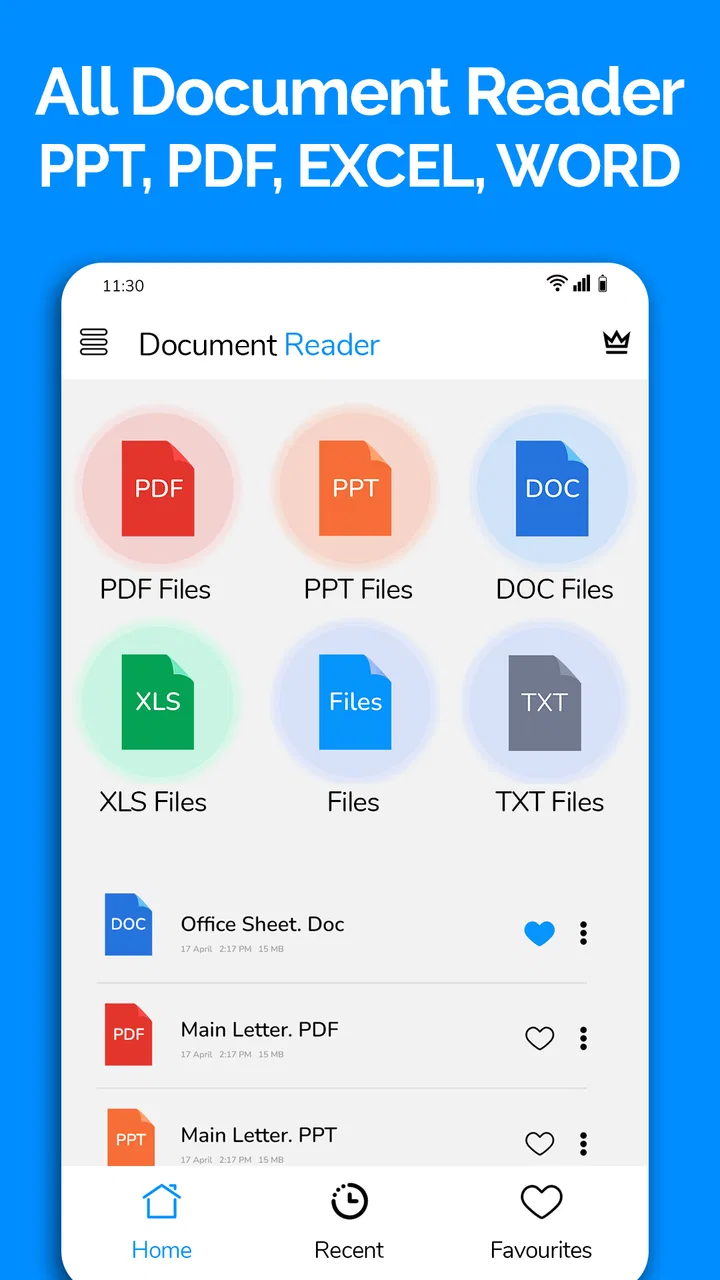
That is where the app’s general approach is helpful. Rather than presenting itself as a specialist PDF tool only, it brings several document types into one reading workflow. The store summary describes it as an all-document reader and PDF viewer, and that description matches the main experience I focused on: locating a file, opening it, reading it, and passing the information onward.
It is also suitable for less formal situations. A student might receive a timetable or a worksheet, a freelancer might check a client brief, and a small-business owner might review a quotation on a phone. In each case, the first need is often visibility, not full authoring. A viewer that handles several familiar formats can reduce the number of steps before the decision is made.
Still, I would not install it expecting a complete replacement for Microsoft Office, Google Workspace, or a dedicated PDF editor. Those alternatives are usually better when the document is part of a long editing process, requires comments from several people, or must preserve complex layout behavior. This app makes more sense as a practical reading layer.
Step one: getting the file into the app
The first handoff is from wherever the file arrived to the reader itself. That may be a download folder, a message attachment, or another storage location on the phone. The important habit is to keep the original file untouched and treat the app as the place for inspection. If I receive multiple versions of a document, I check the filename and surrounding context before opening anything, because a viewer cannot solve confusion caused by poor file organization.
For a busy phone, this is where expectations matter. A document reader is only as useful as the path to the file. If the attachment is still inside a service that does not expose it clearly, I may need to save or share it before the reader can become part of the workflow. That is not a unique weakness of this app, but it is a real point of friction for people who expect every document to appear automatically.
My practical tip is to use a simple naming routine before sending files onward. Keeping a date, client name, or project label in the filename makes the app more useful than relying on a long list of generic downloads. This is a small workflow improvement, but it matters when several PDFs and spreadsheets look similar. The reader helps me inspect content; it does not replace the need for sensible file handling.
Step two: reading PDFs without reaching for a computer
PDFs are the clearest use case. I can use the phone as a quick checking screen for notices, invoices, forms, manuals, and reports. The value is not just opening the file; it is being able to decide whether the document needs immediate attention. For example, I can confirm whether an attachment contains the expected page, check a figure before replying, or read instructions while away from my desk.
On a small screen, reading quality depends heavily on the source document. A clean, digitally created PDF is much easier to inspect than a scanned page with tiny text. I would not confuse the ability to open a PDF with automatic text recognition or effortless editing. If the file is a poor scan, the limitation may come from the document itself, the phone display, or the viewer’s reading controls.
This is also where I recommend slowing down before making a decision based on a crowded page. On a phone, tables and footnotes can be easy to overlook. For financial or contractual documents, I use the app for an initial review, then move to a larger screen when the consequences of missing a detail are serious. A mobile viewer is excellent for triage, but triage is not the same as final verification.
Step three: checking documents and Excel files in the same flow
The broader document support becomes useful when a task mixes formats. Imagine receiving a PDF quotation followed by an Excel price sheet. Switching between unrelated apps can interrupt concentration, especially when I only need to compare a few values. A single reader-oriented app gives me a more direct route from one attachment to the next.
That convenience has a trade-off. Spreadsheet viewing is not the same as spreadsheet analysis. A workbook may contain wide columns, multiple sheets, formulas, or formatting that is difficult to understand on a phone. I can use the app to inspect the file and confirm that it is the right attachment, but I would choose a dedicated spreadsheet application for changing formulas, reorganizing data, or building a report.
One useful workflow is to separate checking from editing. I open the workbook here to answer a narrow question, such as whether a line item exists or whether the attachment is the latest version. If the answer requires calculations or modifications, I hand the file to a spreadsheet tool instead of forcing the reader to do a job it was not designed to lead.
The handoffs: moving from reading to action
Most document tasks do not end when the file opens. The real outcome might be replying to a customer, forwarding a report, entering a number into another system, or asking a colleague to correct an attachment. This app sits in the middle of that chain. It helps me understand the incoming material, while the next action usually happens in email, messaging, accounting software, or an office suite.
That middle position is both its strength and its boundary. I do not need a large application simply to confirm what a document says. At the same time, I should not expect the reader to manage every handoff automatically. A careful user will note the exact filename and version before forwarding anything, especially when several similar attachments are present.
For a small business, this can create a sensible division of labor. A manager can review a received PDF on a phone, tell an assistant which figure matters, and leave actual data entry to the system used for bookkeeping. A field worker can inspect a document before calling the office. A freelancer can check a brief before deciding whether to accept a job. These are modest workflows, but they are where a lightweight reader earns its place.
I also find it useful to treat the app as a privacy-conscious pause point in my routine, without assuming that opening a file makes it safe or trustworthy. I still check the sender and the context of an attachment. The app can display a document; it cannot determine whether the request inside it is legitimate. That distinction is important for invoices, payment instructions, and documents asking for personal information.
What the result looks like in everyday use
The successful result is simple: I receive a file, open it without searching for a specialist tool, understand enough to make a decision, and continue in the appropriate app. The process feels worthwhile when the document is something I need to read rather than create. This is particularly true for people who mostly consume files and only occasionally need to make changes.
The free price also lowers the barrier to trying it. The app is rated for Everyone, so its intended audience is broad, from students to office workers. It runs on Android beginning with version 7.0, which makes it relevant to people who keep an older device rather than upgrading for every new productivity app.
There is a catch to the word free: in-app purchases range from around three dollars to around fifty dollars per item. I would therefore check the purchase prompts carefully before treating the app as a completely cost-free long-term solution. For occasional reading, the free entry point may be enough. For anyone considering paid extras, the decision should depend on whether those additions solve a real problem rather than simply making the app feel more complete.
The current version is 3.1.8, and that matters mainly because users should keep their expectations tied to the version installed on their device. Document apps can behave differently as file formats and operating systems change. I would update through the normal app channel when an update is available, then test an important work file before relying on the app during a deadline.
Where the flow breaks
The first break appears when reading turns into serious editing. If I need to rewrite several paragraphs, adjust a spreadsheet, sign a form, or preserve complicated formatting, I would move to a dedicated tool. A reader can be the starting point, but it is not automatically the right finishing tool.
The second break is collaboration. If several people need to leave comments, track revisions, or work from one shared source, a platform built around cloud collaboration is usually better. The app’s value is strongest for personal inspection and quick access, not for replacing an organized team document process.
The third break is scale. A phone is convenient for a handful of files, but a large archive demands search, folders, naming rules, backups, and version control. If my work depends on finding a document months later, I would keep the master archive in a dedicated storage system and use this reader as an access point rather than the sole home of important records.
There is also a human limitation that no viewer can remove: phones encourage fast scanning. That is fine for deciding whether an attachment is relevant, but risky when a document contains exceptions, totals, or legal wording. My rule is straightforward: use the app to get oriented, and use a larger display or specialist software when accuracy matters more than speed.
Who should use it, and who should skip it?
I would recommend it to people who regularly receive PDFs and office files on Android and want one straightforward place to read them. It is a good fit for students checking course material, freelancers reviewing briefs, sales staff opening customer documents, and small-business owners who need quick access while away from a desk.
It is less suitable for someone who mainly creates documents, performs advanced spreadsheet work, edits PDFs, or needs a collaborative workspace. Those users will probably be happier with an office suite or a dedicated PDF application, even if that means using more than one tool. The extra specialization pays off when formatting, formulas, signatures, or revision history are central to the job.
iPhone users should also note the platform focus before building a workflow around it. This review is based on the Android version and its stated Android compatibility. If a document process must work identically across Android, iOS, Windows, and a browser, a cross-platform office service may be the safer foundation.
My recommendation after following the full workflow
One Stop Apps has made a practical business utility rather than an ambitious office replacement. I like it most at the beginning and middle of a document task: opening an attachment, checking its contents, comparing a few details, and deciding where it should go next. That narrow purpose is useful because it matches what many people actually need from a phone.
I would install it when my main frustration is format switching or being unable to open a document quickly. I would not choose it as the only tool for document production, sensitive record management, or complex teamwork. The app’s best trade-off is convenience against depth: it gives me a broad reading doorway, but I still need other tools for serious work.
Overall, All Document Reader:PDF Viewer is worth considering as a free, general-purpose Android document reader, especially for quick PDF and Excel checks. Its 4.0 average and more than 5 million installs show that the basic idea has broad appeal, while the paid items mean I would review the upgrade path before spending money. If I keep its role clear—receive, inspect, decide, and hand off—it can make everyday document handling noticeably easier without pretending to be the entire office.
My final advice is to test it with the files you actually receive, not just a clean sample document. Open a PDF with a table, inspect an Excel workbook, try the handoff into your normal messaging or work routine, and see whether the reading experience is comfortable on your phone. If that short test solves your everyday problem, the app is a sensible addition. If your workflow breaks at editing, collaboration, or long-term organization, choose a specialist alternative instead.
FAQs for All Document Reader:PDF Viewer
01What file formats are supported by All Document Reader: PDF Viewer?
All Document Reader: PDF Viewer supports a wide range of file formats including PDF, DOC, DOCX, XLS, XLSX, PPT, PPTX, TXT, and more. This versatility allows users to view and manage various types of documents all in one application, making it highly convenient for both personal and professional use.
02Is All Document Reader: PDF Viewer free to use?
Yes, All Document Reader: PDF Viewer offers a free version that includes basic features for viewing and managing documents. However, there might be in-app purchases or subscriptions available that unlock additional features such as ad-free usage, enhanced editing tools, or cloud storage options.
03Does All Document Reader: PDF Viewer require an internet connection?
No, All Document Reader: PDF Viewer can be used offline for viewing documents stored locally on your device. However, features like cloud integration, document sharing, or syncing across devices will require an internet connection to function properly.
04How secure is All Document Reader: PDF Viewer with sensitive documents?
All Document Reader: PDF Viewer prioritizes user privacy and security by implementing measures to protect sensitive documents. It typically includes password protection and encryption features. Users should ensure they download the app from a reputable source and regularly update it to benefit from the latest security enhancements.
05Can I edit documents using All Document Reader: PDF Viewer?
While All Document Reader: PDF Viewer primarily focuses on viewing documents, it may offer basic editing features such as highlighting, annotation, or adding notes, especially in PDFs. For more advanced editing capabilities, users might need to upgrade to a premium version or use additional specialized apps.
Pros
- Supports multiple document formats easily.
- Fast and efficient document loading.
- User-friendly interface with simple navigation.
- Offline access to documents is available.
- Regular updates for improved performance.
Cons
- Contains ads that can be intrusive.
- Limited advanced editing features.
- No cloud integration for backups.
- Some features require in-app purchases.
- Occasional lag with large files.

All Document Reader:PDF Viewer
Gallery